

Posted by Happy Trails Medicinals on Nov 11th 2026
The 3:30 Crash: What Sugar, Screens and a Long School Day Do to Your Kid's Focus
It's 3:30. The bus just dropped them off.
Within ten minutes, there's a granola bar wrapper on the counter, a juice pouch on the floor, and a tablet already glowing on the couch. You mention homework. You get a groan that could win an Oscar.
By 4:15, the worksheet that should take fifteen minutes has taken forty. There have been tears (maybe theirs, maybe yours). And you're quietly wondering if every other family has this figured out except you.
They don't. We promise.
We hear this story at our counter all the time, from parents of five-year-olds and parents of fifteen-year-olds. And when we start asking questions, the same three things come up again and again: sugar, screens, and sleep.
Sugar: the rollercoaster nobody signed up for
Here's a fun experiment. Flip over the box of whatever your kid ate for breakfast this morning and check the added sugar. Then check the after-school snack. Then the drink.
It adds up fast, even in foods marketed as "healthy" or "made for kids."
When kids get a lot of sugar at once, their energy shoots up and then drops just as quickly. That drop rarely looks like "tired." It usually looks like crankiness, restlessness, and a brain that won't land on anything for more than thirty seconds. Which, of course, is exactly when you're asking them to sit down and do math.
A note on the science: sugar has not been shown to directly cause ADHD or hyperactivity. Hunger, inadequate nutrition, fatigue, and other factors can affect how a child feels and behaves.
Small swaps, steadier routines.
The fix doesn't have to be dramatic. Try adding protein instead of taking things away. Apple slices with peanut butter. Cheese and crackers. A glass of milk instead of a juice pouch. Small swaps can help make snacks more satisfying.
Screens: why homework feels so boring afterward
This isn't a lecture about screen time. We all use them, and some days the tablet is what gets dinner made.
But it helps to understand what's happening. Games and short videos are built to grab attention every few seconds with new sounds, new colors and new rewards. After an hour of that, a page of reading can feel painfully slow by comparison. Your kid isn't necessarily being dramatic. Switching from an exciting activity to homework can be genuinely difficult.
Try a little buffer between screens and homework.
Ten minutes outside, a snack at the table, a walk with the dog. Something that lets your child shift gears before sitting down to work.
Sleep: the one that sneaks up on everyone
Late screens and late-night snacking can have something in common. They may push bedtime back.
And a kid who's short on sleep shows up the next day with less patience, less focus, and less bounce-back when things get hard. Then they come home wiped out, reach for something sweet and a screen to recharge, and the whole cycle starts again.
If you change just one thing, protect bedtime. Aim for a consistent schedule, keep recreational screens out of the bedroom, and lower the lights for the last half hour.
So where does plant support come in?
Habits come first. Always. No supplement can out-work too little sleep and a routine that isn't meeting your child's needs.
But once the basics are in place, some parents get curious about plant-based wellness. That's where questions about CBD and CBG often come in at Happy Trails.
CBD and CBG are cannabinoids found in hemp. Unlike THC, they are not generally associated with its characteristic intoxicating high. Researchers are studying how cannabinoids interact with the body's endocannabinoid system and other biological pathways.
However, that doesn't establish that CBD or CBG improves focus, mood, or stress responses in children. Research on pediatric use is limited outside certain medical conditions, and over-the-counter CBD products have not been established as safe or effective treatments for ADHD or ordinary childhood attention difficulties.
A note for parents
Check with your child's pediatrician before considering any cannabinoid product, especially if your child takes medication. A THC-free label does not by itself guarantee zero THC or establish that a product is appropriate for children.
Understanding the products parents ask about
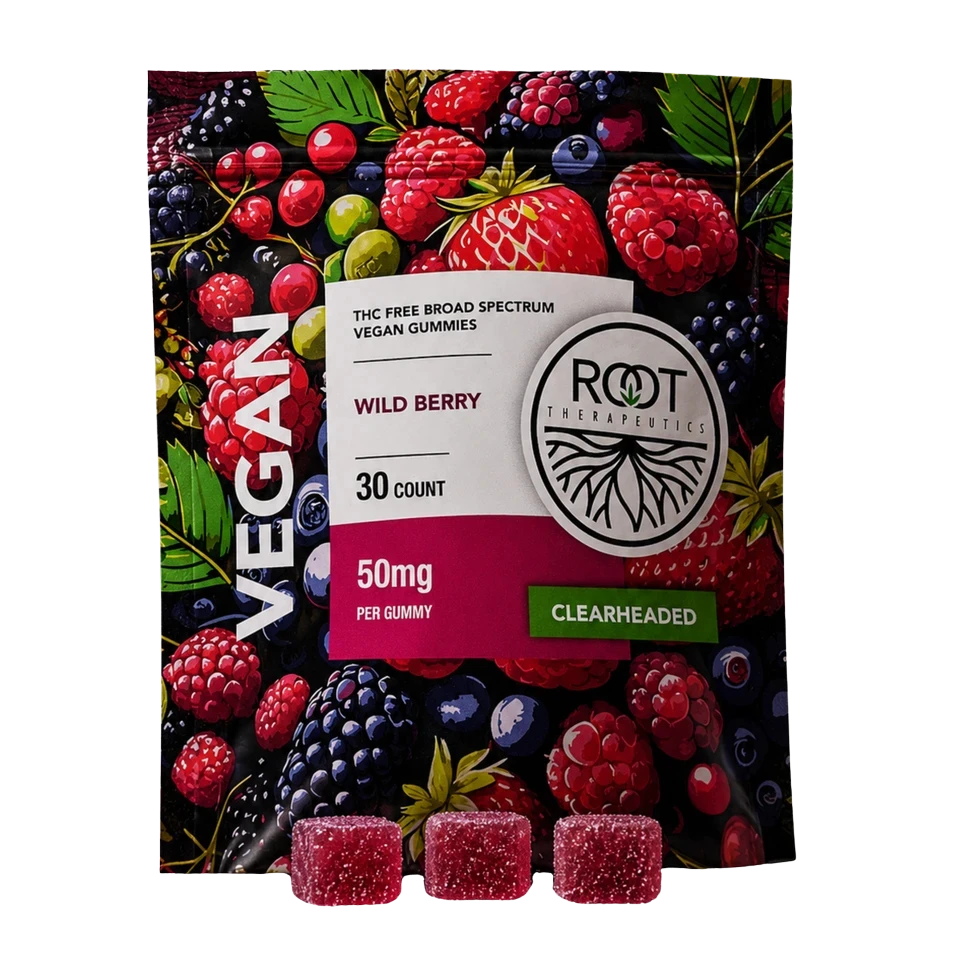
Two ROOT Therapeutics products often come up when people ask us about different CBD formulations. Here is a closer look at their formats and ingredients. These are product-information links, not recommendations for pediatric use.

Try this for two weeks
Don't overhaul everything at once. That's a recipe for a household revolt.
For the first week, pick one swap: a protein breakfast, or a screen buffer before homework. In the second week, keep it going and consider adding another supportive habit, like a more consistent bedtime.
Jot down a quick note each day about how homework time felt. If attention difficulties continue, share what you've noticed with your child's pediatrician or school support team.
You might be surprised how much calmer 3:30 can get.
Curious but still have questions?
That's what we're here for.
Our Happy Trails team can explain cannabinoid formulations, product labels, and third-party testing. For guidance about your child's health, speak with their pediatrician.
BOOK A CONSULTATIONThese statements have not been evaluated by the Food and Drug Administration. These products are not intended to diagnose, treat, cure, or prevent any disease. This article is educational and does not recommend CBD or CBG for children. Consult your child's healthcare provider before considering cannabinoid products, especially if your child takes medication.